
SHBG, Testosterone, and Why “Normal” Blood Tests Don’t Always Tell the Full Story
It is not uncommon for men to be told that their testosterone levels are “normal”, yet they continue to experience symptoms such as low energy, reduced libido, poor motivation, brain fog, loss of muscle tone, or difficulty recovering from exercise. One of the most common reasons for this disconnect is a hormone-binding protein called SHBG.
SHBG stands for Sex Hormone Binding Globulin. It plays a central role in how much testosterone is truly available for the body to use.
What is SHBG and why does it matter?
Testosterone in the bloodstream exists in three forms:
- Bound tightly to SHBG
- Bound loosely to albumin
- Free testosterone, the small fraction that is biologically active
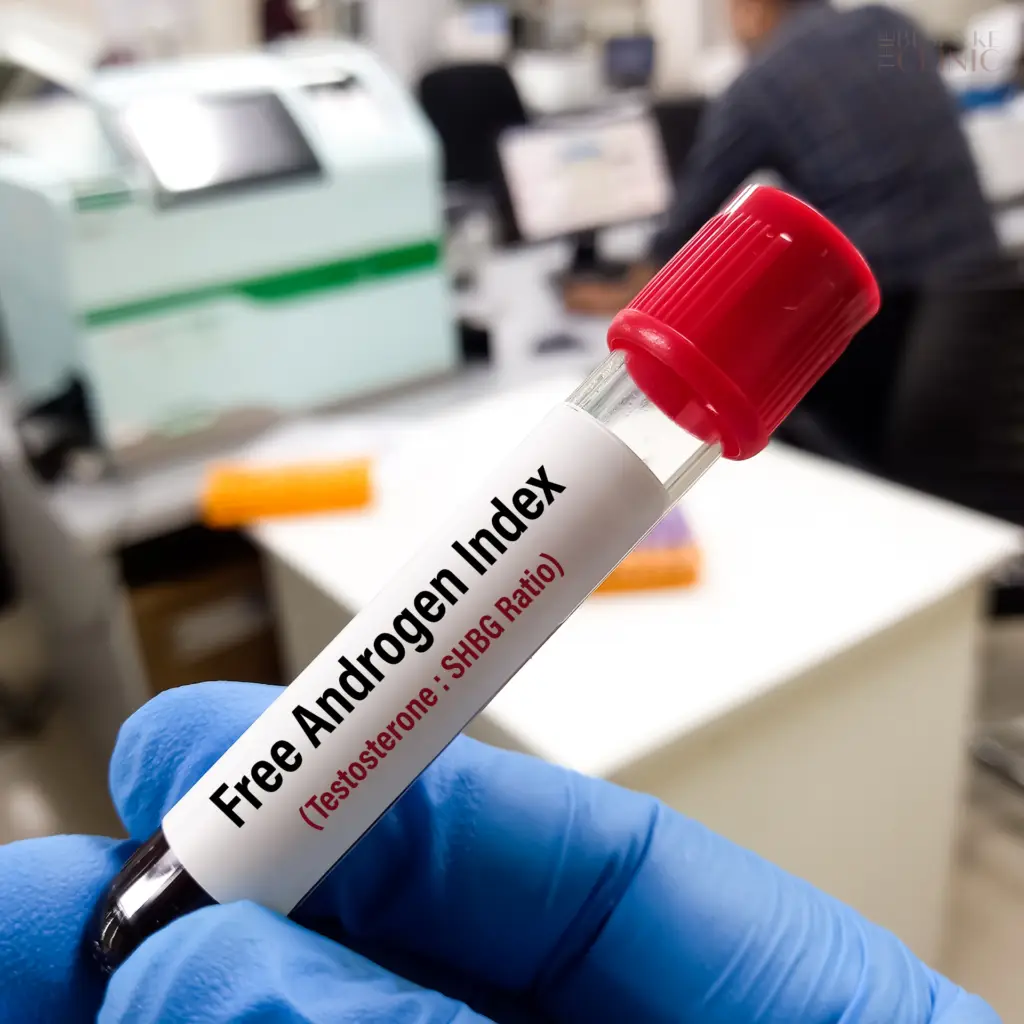
When SHBG levels are high, more testosterone becomes tightly bound and unavailable to tissues. This means total testosterone can appear normal on a blood test, while free or bioavailable testosterone is low. In many cases, it is the free testosterone level that best reflects how someone feels.
This is why two men with the same total testosterone level can have very different symptoms.
Why might SHBG be high?
SHBG is produced mainly by the liver and is influenced by a wide range of factors. Common contributors to higher SHBG include:
- Ageing
- Chronic stress and elevated cortisol
- Undereating, excessive dieting, or prolonged low-carbohydrate intake
- Overtraining and inadequate recovery
- Thyroid overactivity or thyroid hormone over-replacement
- Liver factors and alcohol intake
- Higher oestrogen exposure
- Certain medications
- Genetic tendency
Importantly, SHBG is rarely the “problem” itself. It is usually a signal that something upstream needs attention.
A functional medicine perspective
Functional Medicine clinicians, including Dr Neet, often highlight that hormones do not operate in isolation. Testosterone, SHBG, cortisol, insulin, thyroid hormones, and oestrogen are all part of an interconnected system.
Therefore, persistently high SHBG could be a marker of broader physiological stress:
- Chronic stress and poor sleep can raise cortisol, which in turn can increase SHBG
- Low energy availability from dieting or over-exercise can push SHBG higher
- Metabolic and liver health influence how hormones are produced, bound, and cleared
Rather than immediately focusing on replacing testosterone, the functional approach asks a more fundamental question: why is the body binding testosterone so tightly in the first place?
SHBG, metabolism, and long-term health
SHBG is also increasingly recognised as a metabolic marker. Large population studies have shown associations between SHBG levels and future risk of type 2 diabetes, highlighting that hormone binding reflects wider metabolic health rather than just reproductive hormones.
This reinforces the importance of viewing testosterone symptoms within the broader context of lifestyle, insulin sensitivity, inflammation, and liver function.

How SHBG should be assessed
When testosterone is being investigated, SHBG should almost always be measured alongside:
- Total testosterone
- Albumin
- Calculated free testosterone (or high-quality free testosterone testing where available)
Blood tests should ideally be taken in the morning and repeated if results do not match symptoms. A single “normal” result is rarely enough to draw meaningful conclusions.
What can be done if SHBG is high and free testosterone is low?
Management depends on symptoms, underlying drivers, and individual goals, including fertility. In practice, this is often approached in stages.
This may include:
• Improving sleep and stress regulation
• Adjusting training load and recovery
• Ensuring adequate protein, calories, and healthy fats
• Reviewing alcohol intake
• Checking thyroid function and metabolic markers
Resistance training, adequate nutrition, and stress reduction often improve symptoms even if hormone numbers change modestly.
Vitamin D, zinc, and magnesium may be helpful when low, but supplementation should be targeted rather than automatic.
If symptoms persist despite optimisation and results are consistent over time, testosterone therapy or other medical options may be considered under specialist supervision. In this context, treatment is not about “chasing a number” but restoring function while maintaining long-term health and safety.
Functional medicine frameworks, including those discussed by Dr Mark Hyman, emphasise that hormone therapy should sit within a wider strategy that supports metabolic health, stress resilience, and sustainable wellbeing, rather than being used as a standalone fix.
The key takeaway
SHBG is one of the most important, and most overlooked, markers in male hormone health. When symptoms and blood tests do not align, it often provides the missing context.
Understanding SHBG allows for more personalised, nuanced decision-making, and helps move the conversation away from “your testosterone is normal” towards a more meaningful discussion about how the body is functioning as a whole.
References and further reading
- Bhasin S et al. Testosterone Therapy in Men with Hypogonadism: An Endocrine Society Clinical Practice Guideline. Journal of Clinical Endocrinology & Metabolism.
- Goldman AL, Bhasin S. Testosterone replacement therapy: what we know and what we don’t know. Current Opinion in Endocrinology, Diabetes and Obesity.
- Ding EL et al. Sex hormone–binding globulin and risk of type 2 diabetes in men and women. New England Journal of Medicine.
- Rosner W et al. Utility, limitations, and pitfalls in measuring testosterone. Journal of Clinical Endocrinology & Metabolism.
- Hyman M. The Doctor’s Farmacy Podcast and writings on functional hormone health and metabolic optimisation.
